The Deep Future
What will the Deep Future look like?
Food. Water. Energy. Minerals. Medicine. Manufactured goods. Many things humans need place a strain on the natural world. And as populations grow, impacts grow. Only technology breaks the cycle and decouples prosperity from environmental destruction while ensuring human prosperity. This is the beating heart of ecomodernism.
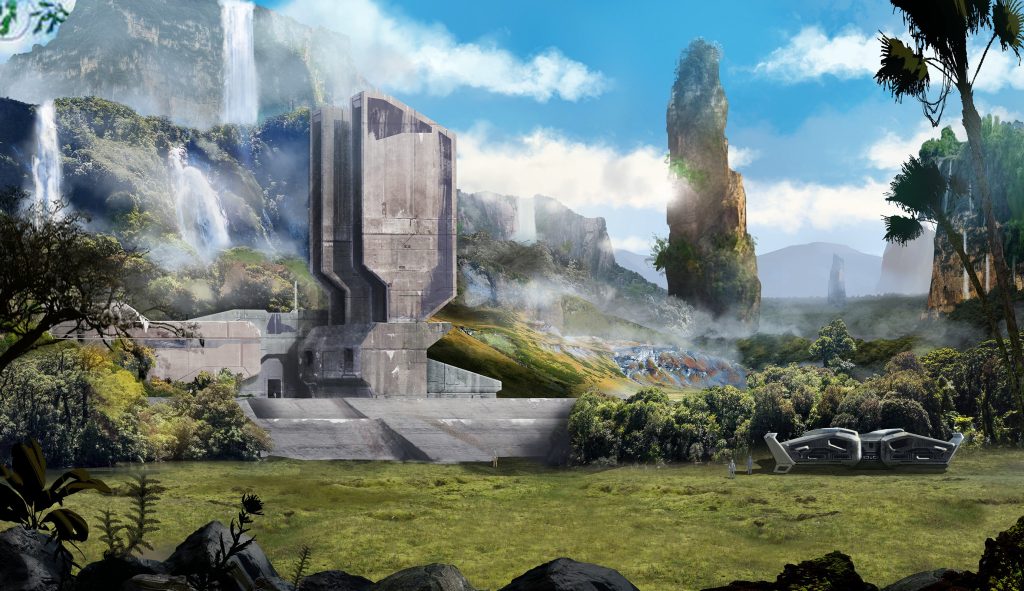
The Deep Future will not look like today. We will see the Earth rewilded. From monoculture cropland will rise virgin forest. From cattle pasture, new sweeping grasslands grazed by wild herds. Dams will be broken and migrating fish will once again bless headwaters.
Today, half the Earth’s habitable land is used for farming. In the future, we will grow much of what we need under electric light and using engineered bacteria (like how insulin is produced today).
What about our energy? Oil, gas, coal, solar, wind, hydro; all are forms of energy recycled from the light of our nuclear-powered Sun*. Each has its benefits, each its drawbacks.
Nuclear energy cuts out the middle man; the power of the Sun in our hands. We don’t burn the remains of creatures that died millions of years ago. We don’t need disruptive collectors to harvest water, wind and sun. Nuclear is compact, scalable, sustainable. And that’s just today’s technology. Fast reactors and fusion will take that a step further. Nuclear, along with geothermal where viable, will form the backbone of the new energy system.
The Deep Future will be sci-fi, but it will also be green.
*Check out Nick Touran’s “Origin of Energy” to understand why.